By: Victoria Trevizo
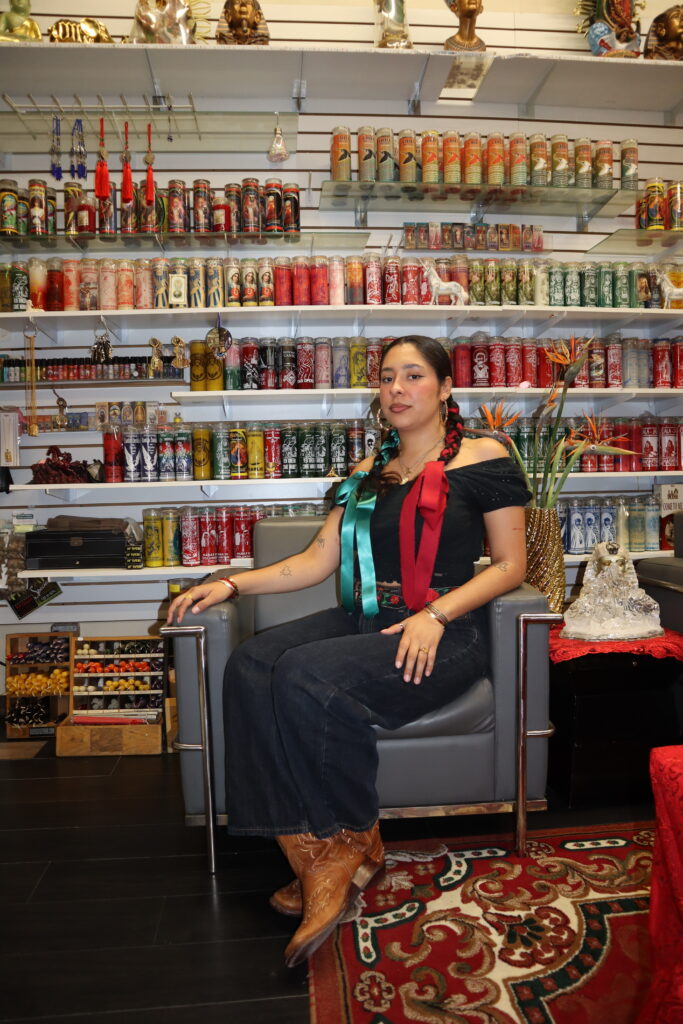
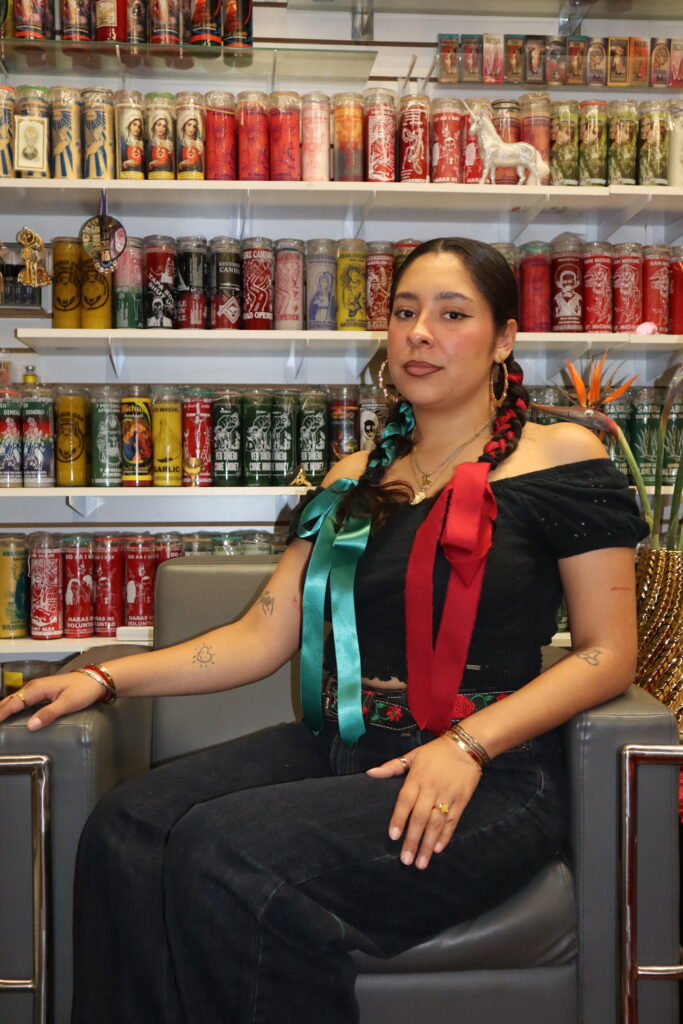
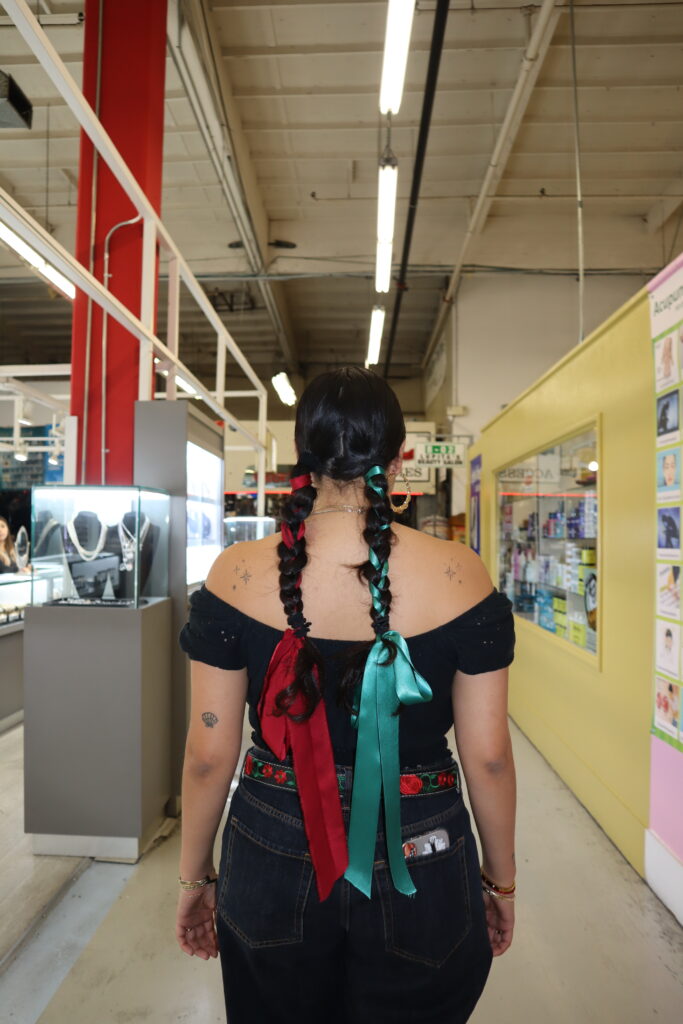
As I sit in front of the mirror braiding ribbons through my hair, I am reminded of my ancestors and their fight to reclaim their identities in a world that tries to erase them. That fight has continued through generations.
For years, fashion has been a way for humans to decorate our bodies and souls, an art form that allows us to express who we are to others without ever having to speak a word. Throughout history, our fabrics and accessories have always reflected culture, community, religion and, too often, colonization. Large parts of the fashion industry are embedded in colonial and capitalistic structures that feed off of Eurocentric beauty standards.
As we move through complete fear and uncertainty, it has become clear that fashion is more than just social trends. It is a powerful tool we can use to decolonize and resist the assimilation that our grandparents once faced in the United States.
There is a lengthy historical backlog showing the connection between colonization and fashion. Even today, “high-fashion” seems to be reserved for those of specific social standards, rich and skinny, while also conforming to gender stereotypes – aka Eurocentric beauty standards.
Fashion history is known for “borrowing” styles while exploiting labor and resources for economic growth. The West selectively took from Indigenous people to honor itself and reinforce its hierarchy while erasing our ancestors. Many of the styles we see in department stores and runways once came from indigenous people whose traditions were altered and culturally appropriated.
In today’s climate, cultural appropriation means fashion brands and companies utilize aspects of different cultures without permission, often modernizing these traditional aspects. This allows them to profit off of cultures they do not belong to, only reinforcing their position in power over marginalized communities. In addition to stealing cultural aspects, these same companies exploit labor and mass-produce clothing in unsafe environments where employees are forced into long hours and harsh conditions. This exploitation fuels the fashion industry, contributing to harming our planet and people and perpetuating endless cycles of overconsumption and cultural appropriation. This cycle shapes how cultures are perceived and consumed, often leading to stereotypes and the dehumanization of marginalized groups.
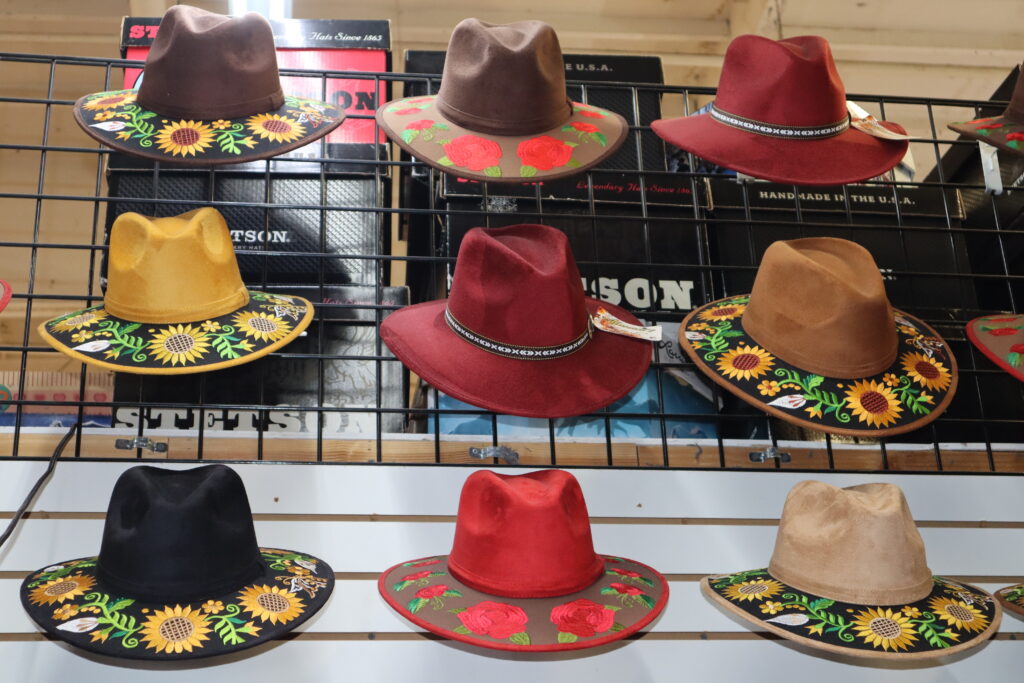
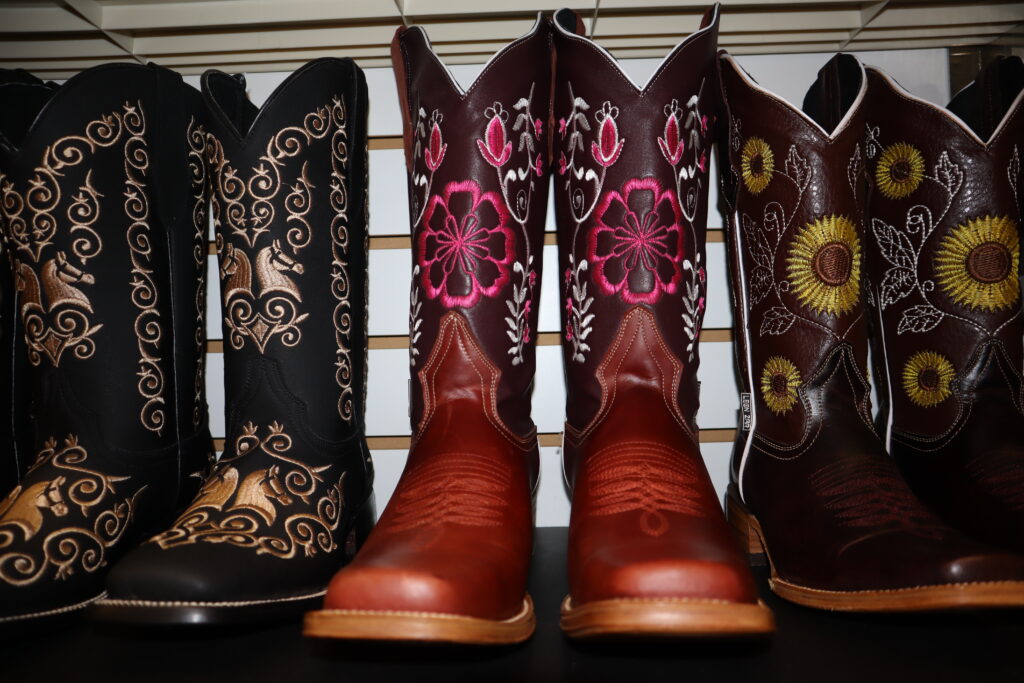
Indigenous people became labeled as exotic and fetishized, and this rhetoric still lives on today, primarily through social media trends. These trends fail to recognize the years of oppression, racism and sexism that marginalized communities experience every day.
Fashion will always be political. Our clothes on our backs carry stories, power and resistance. In 1940, during the Zoot Suit Riots, Mexican American youth were being targeted for wearing Zoot suits, which soon became illegal to wear in Los Angeles. During the civil rights movement, leather jackets, berets, sunglasses and pinback buttons became the symbolic uniform of the Black Panther Party. Soon after, the Brown Berets followed suit, an organization fueled by Chicano power that called for the end of police brutality, racism in schools and systemic poverty. It is the economic, political and cultural connotations embedded in these articles of clothing that gave them power – political power.
Clothing has always been tied to systems of power that maintain oppression and racism. Although fashion is used to resist the erasure of people of color, it can also reinforce capitalism, colonialism and Eurocentric ideas. For this exact reason, it is crucial to decolonize fashion in a way that honors both the people and places of our communities.
What exactly does decolonizing fashion mean, and how do we decolonize?
The decolonization of fashion means rethinking, unlearning and challenging the power structures within our nation while acknowledging diversity. It means educating ourselves about the ancestors and the culture they are currently trying to bury.
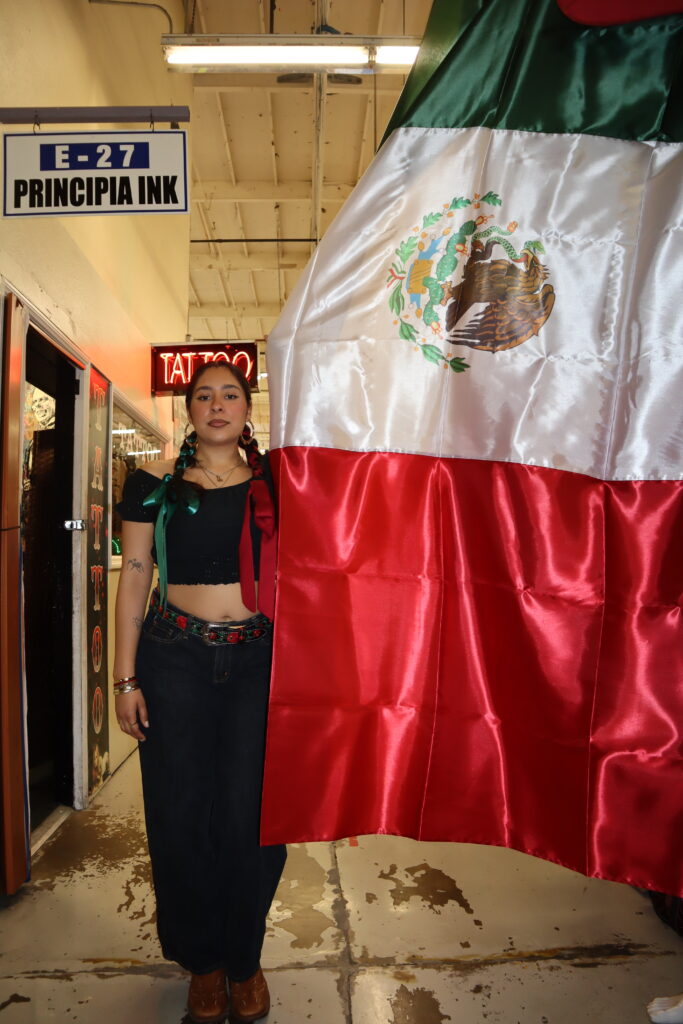
To begin decolonizing your wardrobe, consider these tips: rethink your consumption, support local indigenous designers and small cultural businesses, learn the history of the pieces you wear and reclaim traditional garments and practices as an act of resistance. Set and reflect your intentions, wear your clothing with pride and amplify the voices of your people you honor. Do not ever erase them.
It is about inserting our dignity in small ways to show the world we are not invisible. Remember, your clothes are a political choice you make every day.